Quality
Understanding peptide purity: what an HPLC report tells you
May 21, 2026 · 1 min read
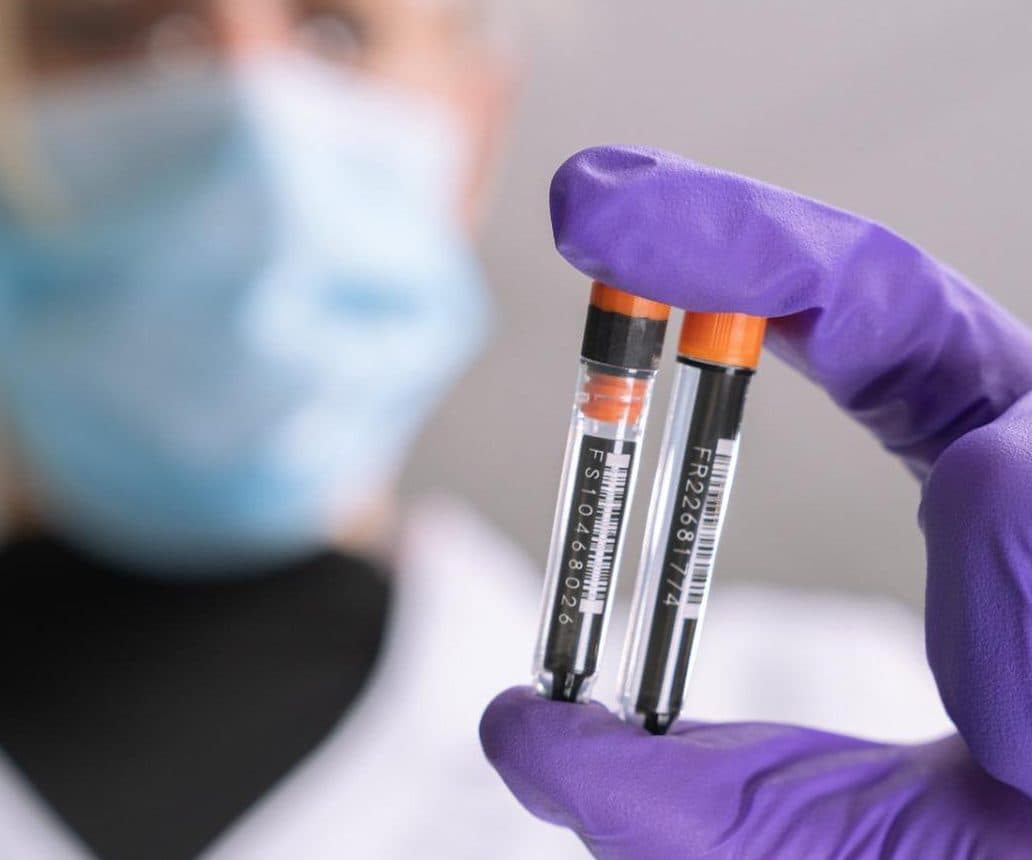
A Certificate of Analysis can look intimidating — a wall of percentages, retention times, and acronyms. But the core question it answers is simple: is this compound what the label says it is, and how much of it is the thing you want?
Reverse-phase HPLC (high-performance liquid chromatography) separates a sample into its components and measures the relative size of each. The headline purity figure is the percentage of the total that corresponds to the target peptide.
Read past the headline number. Look for the method, the column, and the date. A purity figure with no method behind it is a marketing claim, not a measurement.
Finally, match the lot. A COA is only meaningful if its lot number matches the vial in your hand. Lot-level traceability is what turns a number on a page into something you can actually verify.
For research use only. Not for human consumption.